
When to Replace Your Furnace Filter (And Why It Matters)
Most Edmonton homeowners should replace their furnace filter every 1-3 months, depending on usage and home conditions. A dirty filter forces your system to work harder, increases energy bills, and can lead to costly furnace damage. Check your filter monthly by holding it up to light—if you can't see through it clearly, it's time for a replacement.
Understanding Furnace Filter Basics
Your furnace filter is a small but critical component that directly impacts your home's comfort, air quality, and heating costs. Most Edmonton homeowners forget about this inexpensive part until problems arise, yet regular replacement prevents major issues and keeps your system running efficiently.
Key Factors
- Edmonton's Dusty Conditions: Our city experiences significant dust levels during construction season and dry winter months, requiring more frequent filter changes than standard recommendations. Homes in areas with active development or near unpaved roads may need monthly replacements instead of quarterly changes.
- Household Variables: Homes with pets shed more dander and fur that quickly clogs filters. Residents with allergies or respiratory conditions benefit from more frequent changes to maintain cleaner indoor air.
- System Usage Patterns: Running your furnace fan continuously for better air circulation increases filter exposure and requires more frequent replacement. During Edmonton's long heating season (October through April), filters work overtime and fill up faster than in milder climates.
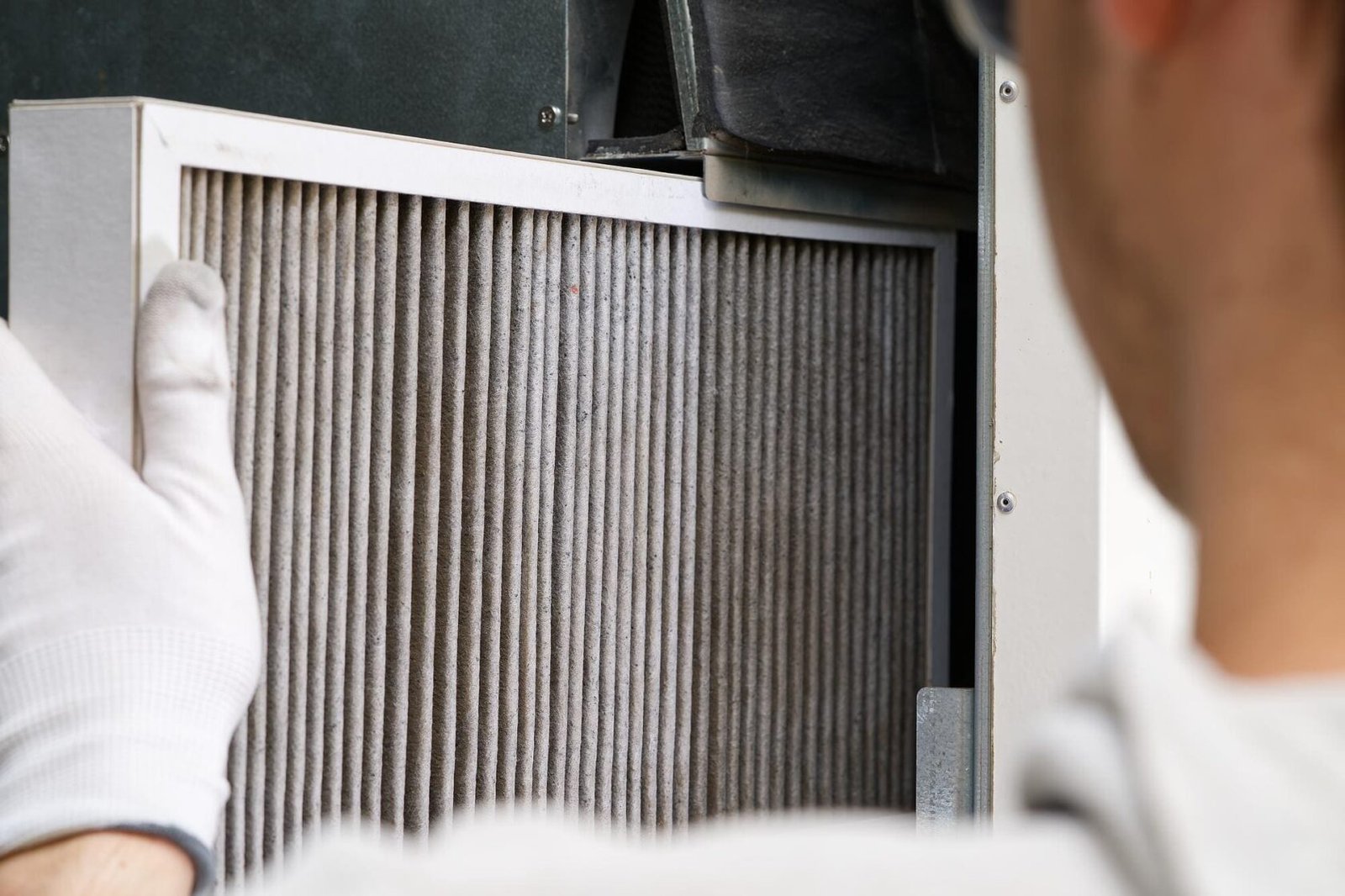
How to Know When It's Time to Replace
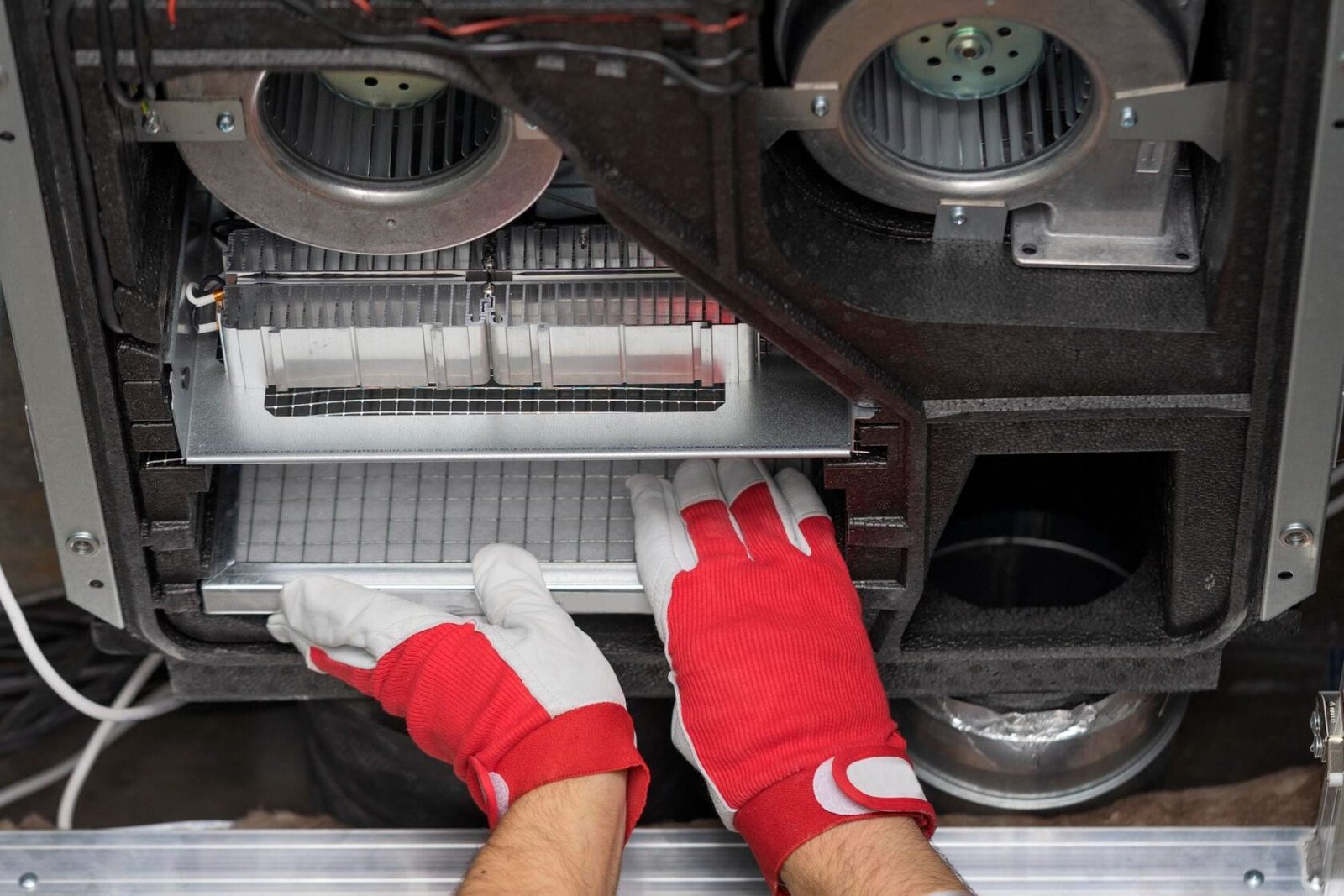
The Simple Light Test
Pull out your current filter and hold it up to a bright light source. This buildup acts like insulation, making your heater work harder and less efficiently. Professional flushing with descaling solution dissolves deposits completely.
Visual Inspection Signs
A filter covered in visible dust, dirt, or debris has reached the end of its useful life. Gray or brown discoloration indicates the filter has been trapping contaminants and is now saturated.
Performance Issues
Reduced airflow from your vents suggests a clogged filter is restricting air movement. Rooms that won't reach desired temperatures often indicate your furnace is struggling due to poor airflow.
System Behavior Changes
Your furnace running constantly without achieving comfort means it's working harder to compensate for restricted airflow. Unusual noises from your heating system can signal increased strain on the blower motor.
Indoor Air Quality Indicators
Increased dust accumulation on surfaces throughout your home shows your filter isn't capturing airborne particles effectively. Family members experiencing more allergy symptoms or respiratory issues may be reacting to poor indoor air quality.
Why Regular Filter Changes Matter
Energy Efficiency Impact
A dirty filter forces your furnace to work significantly harder to pull air through the system, directly increasing electricity consumption. During Edmonton's long heating season, this extra strain can add hundreds of dollars to your annual energy costs.
Equipment Longevity
Your furnace's blower motor runs longer and works harder when fighting against a clogged filter, leading to premature wear and potential failure. Regular filter changes protect your investment and extend your heating system's lifespan.
Heat Exchanger Protection
Restricted airflow causes heat to build up inside your furnace cabinet, potentially triggering safety shutoffs. In severe cases, a completely blocked filter can crack your heat exchanger—a failure that often requires replacing the entire furnace.
Indoor Air Quality Benefits
A clean filter effectively traps dust, pollen, pet dander, and other airborne particles before they circulate through your home. This is particularly important during Edmonton's tight-sealed winter months when outdoor air exchange is minimal.
Cost Prevention
- Monthly filter cost: $15-$30
- Annual filter investment: $180-$360
- Prevents expensive emergency repairs
- Maintains peak system efficiency
- 15% average energy bill increase when neglected: $200-$400 annually
- Premature blower motor failure: $400-$800
Regular filter changes represent minimal ongoing cost compared to repair and replacement expenses. A simple monthly replacement protects your furnace investment and keeps your family comfortable. This preventive maintenance approach saves money while ensuring reliable heating.
Choosing the Right Filter Type
Basic Fiberglass Filters
These inexpensive options provide minimal filtration and require monthly replacement. They're suitable for systems that can't handle higher-efficiency filters but offer limited air quality benefits.
Pleated Filters
Mid-range pleated filters last longer and trap smaller particles, making them ideal for most Edmonton homes. They balance effective filtration with proper airflow for optimal system performance.
High-Efficiency Filters
Premium filters offer superior air cleaning but require more frequent changes and may not be compatible with all furnace systems. Check your system specifications before upgrading to ensure proper airflow.
Understanding MERV Ratings
MERV ratings measure filtration effectiveness on a scale from 1 to 16, with higher numbers indicating better particle capture. For most Edmonton homes, a MERV rating between 8 and 13 provides the best balance of air cleaning and system airflow.
Compatibility Considerations
- Match filter size exactly to your furnace specifications
- Consider MERV 8-11 for standard homes
- Upgrade to MERV 11-13 for allergy sufferers
- Avoid MERV 14+ unless your system is specifically rated for it
- Replace with the same type recommended by your furnace manufacturer
- Keep several replacement filters on hand for convenience
Not all filters work with every furnace—high-efficiency options can restrict airflow in systems not designed for them. Consult your furnace manual or an HVAC professional to determine the right filter specifications for your system. Always keep several replacement filters on hand so you're ready when change time arrives.
Comparing Maintenance Approaches
Regular Maintenance Schedule
20+ Year System Lifespan
Systems with regular professional cleaning maintain peak efficiency, operate quietly without unusual noises, provide consistent water temperature and pressure, consume minimal energy with lower utility bills, and rarely require emergency service calls. The small annual investment in cleaning prevents major expenses and ensures reliable hot water for decades.
Neglected System Impact
7-10 Year Failure Rate
Systems without regular cleaning suffer from 10-15% efficiency loss, frequent error codes and shutdowns, inconsistent temperatures and reduced water pressure, higher energy bills that compound monthly, and eventual component failure requiring expensive repairs or full replacement. What starts as minor inconvenience escalates to complete system failure often at the worst possible time.
Annual Investment Comparison
Proactive Care
Regular filter replacement costs $15-$30 monthly, totaling $180-$360 annually for complete protection. This minimal investment maintains efficiency, prevents breakdowns, and protects your furnace investment.
Reactive Repairs
Neglecting filters leads to repair costs ranging from $500 for blower motor replacement to $1,500-$3,000 for heat exchanger damage. Complete system failure requiring replacement can cost $4,000-$8,000 or more.
What Happens If You Skip Filter Changes
Neglecting filter replacement leads to serious consequences for your furnace and home:
- Increased Energy Bills: Your furnace works 15-30% harder, significantly raising monthly heating costs throughout Edmonton's long winter season
- System Breakdowns: Overworked components fail prematurely, leaving you without heat during the coldest months when HVAC services are in highest demand
- Poor Air Quality: Saturated filters stop trapping contaminants, circulating allergens and pollutants throughout your sealed winter home
- Heat Exchanger Damage: Restricted airflow causes dangerous overheating that can crack this critical component, often requiring complete furnace replacement
- Voided Warranties: Many manufacturers require proof of regular maintenance, including filter changes, to honor warranty claims
- Safety Risks: Extreme cases of neglect can cause complete system failure or create carbon monoxide hazards from improper combustion
A simple $20 filter changed regularly prevents thousands in repair costs and keeps your family comfortable and safe.
Frequently Asked Questions
Check your filter monthly during heating season and replace it when light can't pass through easily. Most Edmonton homes need changes every 1-2 months due to our dusty conditions and long winters, rather than the standard 3-month recommendation.
MERV 8-11 works well for most homes, while MERV 11-13 benefits allergy sufferers and pet owners. Higher ratings aren't always better—check your furnace specifications to ensure the system can handle increased filtration without restricting airflow.
Most disposable filters are designed for single use and should be replaced, not cleaned. Some permanent electrostatic filters can be washed, but check manufacturer instructions—attempting to clean disposable filters often damages them and reduces effectiveness.
Rapid filter saturation indicates high dust levels in your home, excessive system runtime, or undersized ductwork creating velocity issues. Consider upgrading to a higher-quality filter, checking for air leaks, or having your duct system inspected.
Higher-quality filters generally last longer and trap more particles, but they still need regular replacement based on your home's conditions. A premium filter in a dusty home with pets may need changing as often as a basic filter in a cleaner environment.
Incorrect filter sizes allow unfiltered air to bypass the filter entirely, letting contaminants into your system and home. Always match the exact dimensions listed on your furnace—even a quarter-inch difference compromises filtration effectiveness.
Install a fresh filter right before your scheduled maintenance visit so your technician can inspect the system with optimal airflow. This allows accurate performance testing and ensures your furnace operates efficiently after the tune-up.
Yes—severely clogged filters trigger safety shutoffs when the system overheats from restricted airflow. This is actually a protective feature preventing serious damage, but it leaves you without heat until the filter is replaced.
Keep Your Furnace Running Efficiently
Regular filter changes are the simplest way to protect your heating investment and maintain home comfort. While filter changes are easy DIY maintenance, your furnace needs annual professional service for optimal performance and safety. SCR Pro Solutions provides comprehensive inspections, tune-ups, and expert advice to keep your system running efficiently through every Edmonton winter.
Schedule Your Professional Maintenance