
How Long Should Your Major Appliances Last? A Realistic Guide
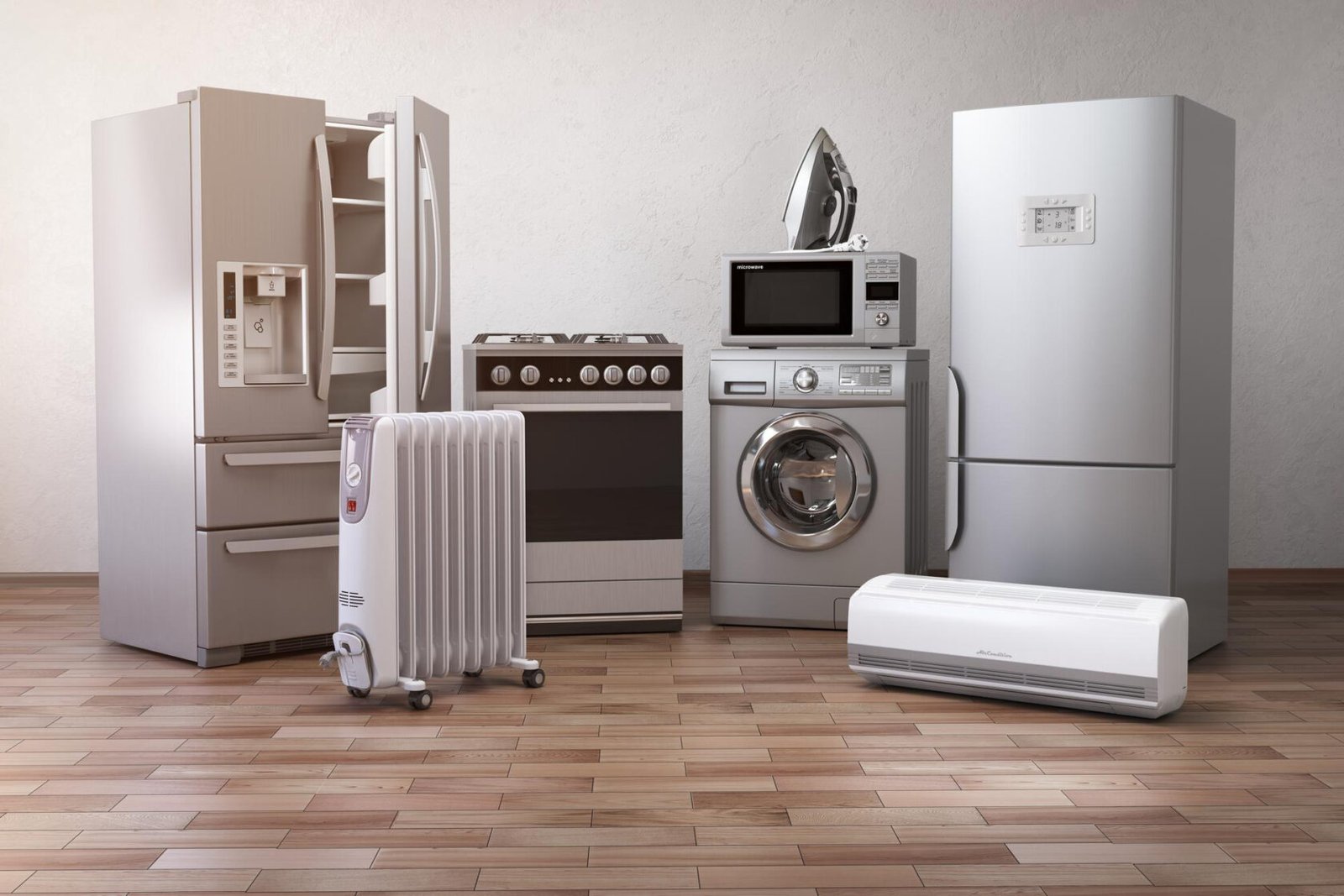
Most big home appliances survive between 8 and 20 years, depending on the system and how well you take care of them. Regular maintenance can greatly increase their lifespan; negligence is the main reason appliances break down before their time.
What Makes Appliance Lifespans Different
Every appliance ages differently. How long they survive depends on how often you use them, how well you take care of them, and the fact that Edmonton has hard water. If you take care of your appliances, they can last five years or more longer than if you don't.
Important Factors
- How often you use them: Appliances that run every day, such as washers and furnaces, wear down faster than those that are only used once in a while. Regular maintenance is even more vital when you use something all the time.
- Water quality: Edmonton's water is somewhat hard, which speeds up the development of minerals in appliances that use water. If you don't fix this every year, it puts more stress on parts and shortens their life.
- History of maintenance: Appliances that are checked once a year last longer than those that don't. Finding little problems early stops the kind of damage that makes you have to replace anything before its time.
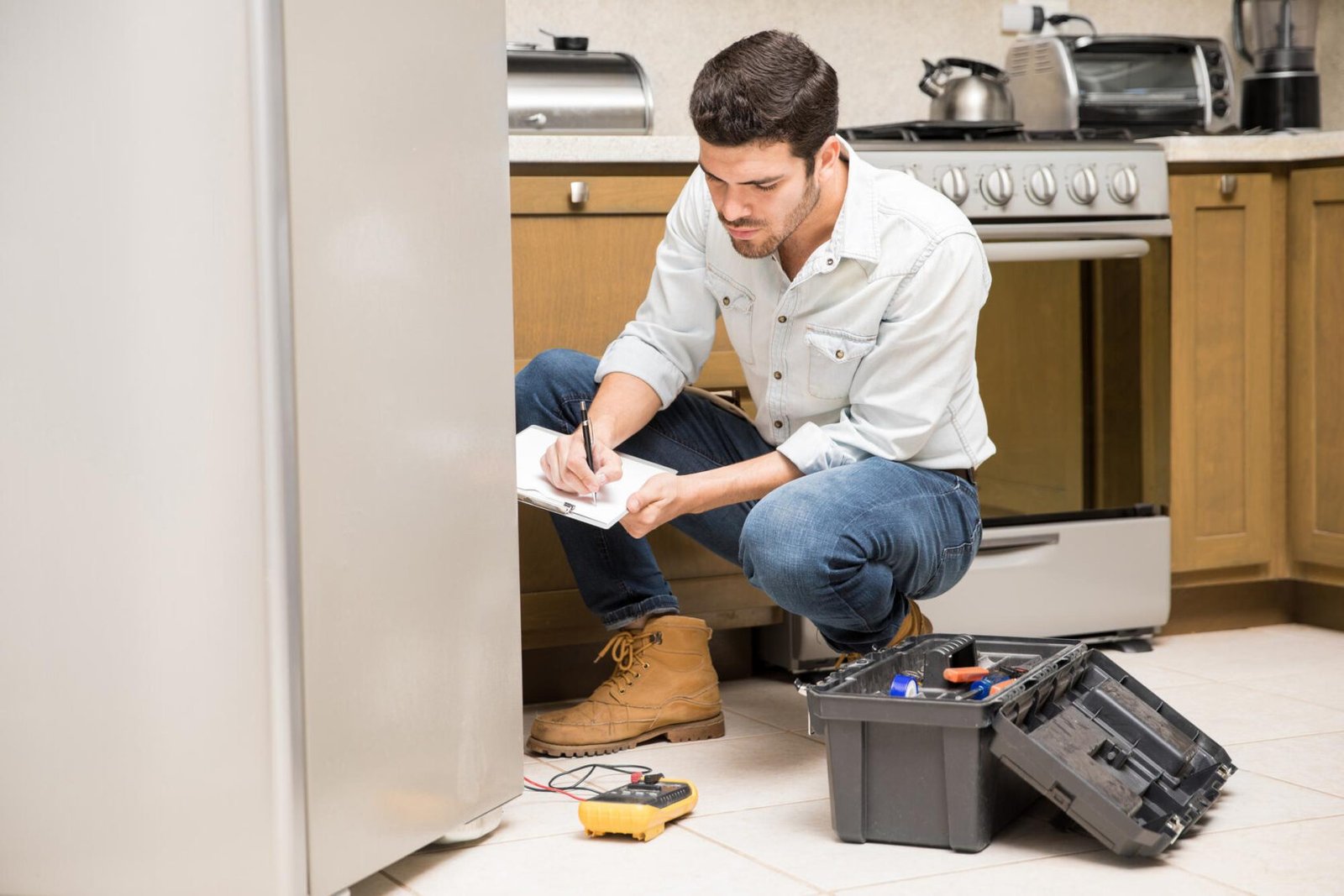
A Quick Look at Appliance Lifespans
Every main home system has a lifespan that is expected, however these statistics are based on adequate care. This is what people in Edmonton should realistically expect from each appliance.
Furnace
A furnace that is correctly cared for can last 15 to 20 years. The best things you can do to protect it are to have it checked once a year and change the filter. Furnaces that aren't cared for properly regularly break down well before the 15-year mark, especially in Edmonton's severe winters.
Water Heater Without a Tank
Tankless units can survive 15 to 20 years if they are descaled once a year and serviced by an expert. Because Edmonton has hard water, this service is necessary. Mineral buildup in the heat exchanger is the main reason for early failure. The investment is well worth it because of the proper care.
Tank Water Heater
Most of the time, tank water heaters last between 8 and 12 years. To get to that upper range, you need to flush the system and inspect the anode rod every year. Without them, corrosion and sediment buildup will greatly limit the life of the product.
Washer and Dryer
With regular maintenance, most washers and dryers survive 10 to 15 years. Every year, cleaning filters, checking hoses, and looking at connections can stop little problems that lead to early breakdowns. Cleaning the dryer vent is very important for both safety and performance.
Dishwasher
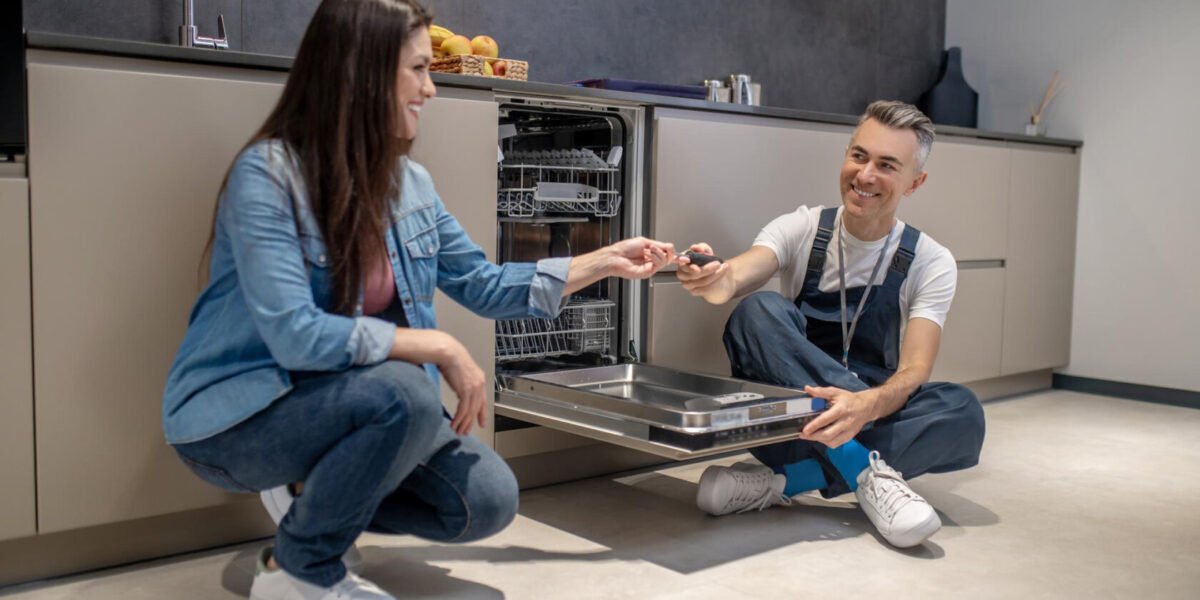
Most dishwashers last between 9 and 12 years. The main threat to dishwasher parts in Edmonton is mineral buildup from hard water. Cleaning the filter often and having it checked up every so often keeps it working well for longer.
How to Keep Them Going
The best thing you can do is set up annual maintenance. Most appliances don't need much, just regular care from someone who understands what to look for. Over time, small efforts in maintenance pay off big.
Set Up Yearly Checkups
A yearly visit can find worn parts, accumulation, and safety issues before they get worse. This is especially true for washing machines, water heaters, and furnaces. Routine care keeps prices down, just like taking your automobile in for service.
Don't Ignore Little Problems
Strange sounds, slow draining, and uneven heating are all early warning indicators, not just minor problems. Taking care of them right away is usually always cheaper than waiting. Most of the time, appliance problems start out minor and can be fixed.
Annual maintenance finds tiny problems before they turn into big ones that cost a lot of money. People who plan regular maintenance on their homes spend less money overall and don't have to deal with the stress of unanticipated breakdowns.
Appliance in Good Shape vs. Appliance That Isn't Cared For
Appliance in Good Shape
Hits Upper Lifespan
Annual maintenance finds tiny problems before they turn into big ones that cost a lot of money. People who plan regular maintenance on their homes spend less money overall and don't have to deal with the stress of unanticipated breakdowns.
Appliance That Isn't Cared For
Breaks Down Early
If you don't take care of your appliances regularly, they can get damaged without you knowing it until it's too late. Simple yearly maintenance can stop most early failures.
When to Get a New One
Sometimes it's not worth it to fix things. If a repair costs more than half of what it would cost to buy a new appliance and it's over the halfway point of its life, it's usually better to get a new one. Frequent breakdowns, higher energy costs, and performance that isn't always steady are all symptoms that something is wrong.
Fix or Replace?
When you make this call, the age and repair history are important. It's probably better to get a new furnace than to fix an 18-year-old one that needs $1,200 in repairs. If the repair cost is the same, a 5-year-old appliance is almost always worth fixing.
Decline in Efficiency
Older appliances that haven't been serviced on a regular basis often have to work harder to achieve the same task. If your energy expenditures have gone up without a clear reason, it's likely because your appliances are getting old.
What Will Happen If I Don't Do Maintenance?
People often forget to take care of their tankless water heaters and furnaces. Both build up internal damage that can't be seen until they break down, and at that point, repairs are far more expensive. Not doing maintenance can lead to:
- Furnaces breaking down well before the 15-year mark, especially during Edmonton's severe winters.
- Mineral buildup in the heat exchanger of tankless water heaters, causing early failure.
- Corrosion and sediment buildup in tank water heaters that greatly limits their lifespan.
- Early breakdowns in washers and dryers from unchecked hoses and clogged filters.
- Dishwasher parts failing early due to unaddressed mineral buildup from hard water.
- Higher energy costs as appliances work harder to achieve the same task.
- Shortened equipment life, which means having to buy new ones sooner than planned.
If you don't do maintenance, small problems that could have been fixed become big, costly ones.
Questions That Are Often Asked
People often forget to take care of their tankless water heaters and furnaces. Both build up internal damage that can't be seen until they break down, and at that point, repairs are far more expensive.
Yes. The water in Edmonton is somewhat hard, which means that any equipment that uses water will leave behind mineral deposits. This buildup slows down performance and causes parts to wear out faster if you don't descale or flush it once a year.
Follow the 50% rule: If the cost of the repair is more than half the cost of replacing the appliance and it is more than halfway through its life, it is usually better to replace it. A professional can help you make an honest choice.
Yes, and that's how SCR Pro Solutions works. We combine several appliance check-ups into one scheduled visit so you don't have to worry about making separate appointments.
The most valuable thing you can do is maintenance once a year. It costs a lot less to clean filters, check connections, and fix tiny problems before they get bigger than it does to do emergency repairs or replace anything early. Prevention is always better than reaction.
Yes, for most homeowners. A maintenance plan takes the guessing out of things, makes sure nothing is neglected, and often includes priority scheduling. It's especially useful for landlords with a lot of properties, busy homeowners, and elders.
Make Every Appliance Last Longer
We take care of annual maintenance for all of your appliances, including your furnace, water heater, washer, dryer, dishwasher, and more, all in one visit. We can build a maintenance plan just for you that works with your house and your budget.
Schedule a Check-Up for Your Home