
Tankless vs. Traditional Water Heaters: Maintenance Comparison
Tankless water heaters need more specialized expert care than typical tank systems ($150–$300 per year vs. $100–$200 per year), but they last almost twice as long (15–20 years vs. 8–12 years). If you take care of them properly, they are the better long-term investment.
Why Different Maintenance Needs
Understanding the maintenance differences between tankless and traditional water heaters helps you budget accurately and make an informed decision for your Edmonton home. This is what makes these differences:
Key Factors
- Water hardness in Edmonton: Both systems fight mineral buildup from moderately hard water, but they do it in different ways. In traditional tanks, sediment collects at the bottom. In tankless systems, sediment builds up in the heat exchanger.
- The intricacy of the system: Tankless systems have advanced sensors, electrical controls, and accurate heat exchangers that need to be calibrated by an expert. Traditional tanks are easier to work on since they have fewer parts that need specific tools.
- Consequence of neglect: If you don't take care of a traditional tank, it will slowly lose efficiency and eventually start leaking. Not taking care of tankless maintenance leads to quick drops in performance and costly parts failures.
What kind of upkeep does a regular tank water heater need?
Traditional tank water heaters are easy to care for because they only need to battle sediment and corrosion:
Flushing once a year
Once a year, you need to flush your tank to get rid of the sediment that builds up at the bottom. Because Edmonton's water is only fairly hard, this sediment builds up over time. If you don't do this maintenance, your tank will work less well, make unusual rumbling noises, and fail too soon. Draining the tank through the drain valve is part of the process. It's messy and takes a long time, but homeowners can do it.
Checking and replacing the anode rod
You should look at the anode rod every two to three years and replace it if it is rusty. This sacrificial rod protects your tank against rust by rusting instead of the tank itself. When it wears out, your tank is more likely to leak and corrode. It might be hard to check the anode rod because it means draining the tank, and rods often become trapped. Most homeowners end up consulting a professional.
Relief Valve for Temperature and Pressure
Make sure that this safety valve opens correctly by testing it once a year. It's an important safety part that keeps pressure from building up to harmful levels.
Replacing the heating element (for electric models)
Depending on how often you use the water and how good it is, electric tank heaters may need to have their heating elements replaced every few years.
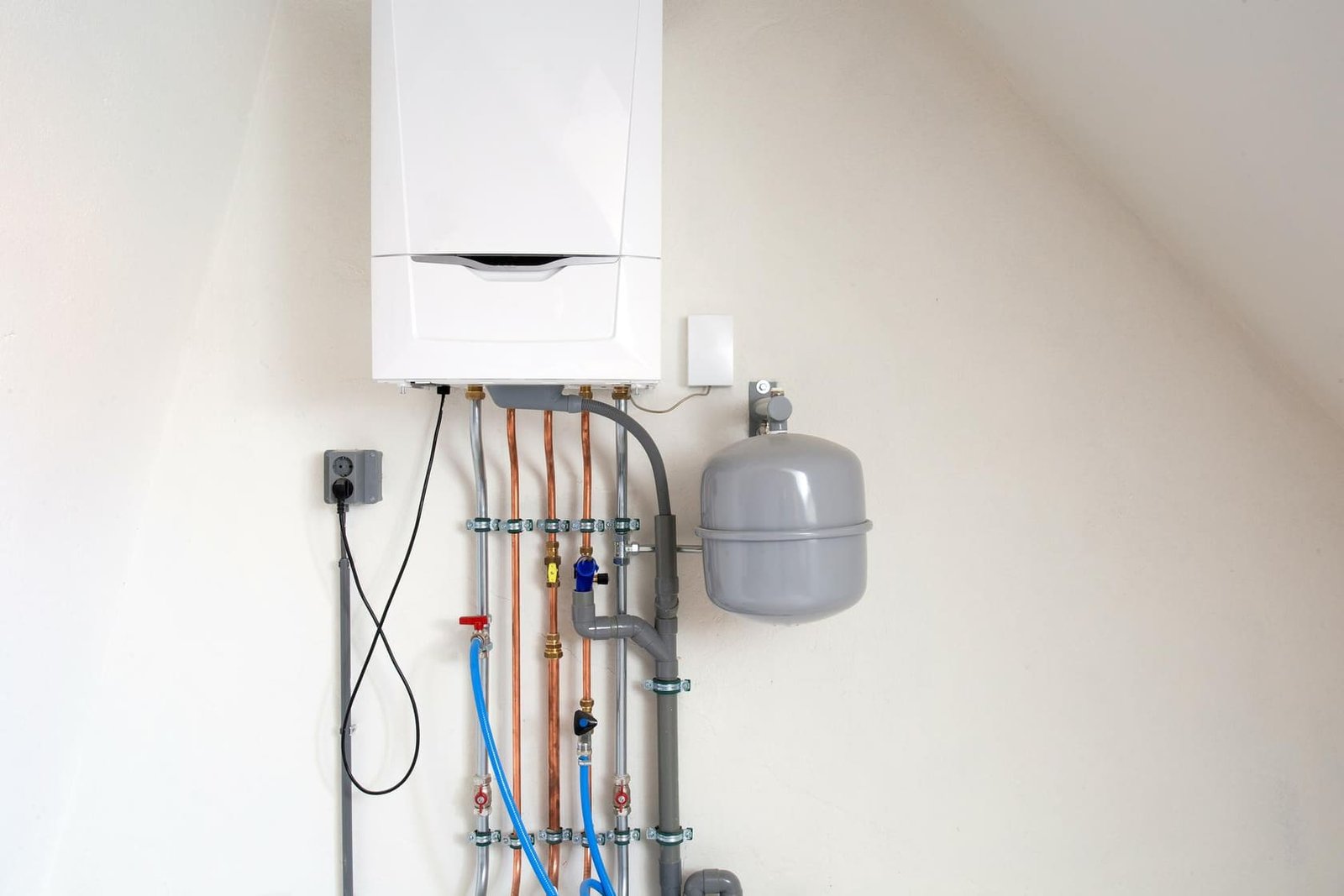
How do you take care of a tankless water heater?
Because tankless systems have more complicated parts and are more sensitive to mineral buildup, they need more specific care:
Descaling once a year (very important)
To eliminate mineral buildup from the heat exchanger, descaling means flushing the system with a specific solution. Because the water in Edmonton is so hard, this is really important. This needs certain tools and chemicals that you can't get at home, thus you need to hire an expert.
Cleaning the Inlet Filter Screen
You need to clean the entrance filter screen often so that dirt doesn't get into the system. Homeowners may typically accomplish this, but it should be verified at the annual professional service.
Check the parts
A technician should do the following during annual service:
- Look for signs of wear or damage on the burner and heat exchanger.
- Make sure that all electrical connections and gas lines are safe.
- Check the flow sensor to make sure it can tell when water is flowing correctly.
- Check that the venting is correct to avoid problems with carbon monoxide.
You need professional skills and special diagnostic tools to do these assessments.
Can I do the work myself?
Traditional Tank Systems
Partially DIY-Friendly
Some jobs can be done by homeowners who are good with their hands. You only need a garden hose and the drain valve to flush once a year, but it takes a lot of time and makes a mess. But you have to drain the tank to check the anode rod, which might be hard because rods often become lodged. Most homeowners would rather have a professional take care of all the maintenance in one visit.
Tankless Systems
Professional Service Required
You need to hire a professional to maintain your tankless water heater since descaling requires special tools and chemicals that you can't get at home. Professionals with the right tools and knowledge are needed to test sensors, electronic parts, and gas connections. You can clean the inlet filter yourself, but a certified technician must undertake the important annual descaling and system inspection.
What is the cost of upkeep?
Traditional Tank Water Heaters
Professional maintenance once a year usually costs between $100 and $200. Replacing the anode rod costs an extra $150 to $250 every two to three years, depending on how easy it is to get to. You can save money on the annual expense by doing the flushing yourself, but most homeowners prefer to hire a professional to handle the whole inspection.
Tankless Water Heaters
The specialized descaling procedure and component examination make annual maintenance cost between $150 and $300. This is more expensive than tank maintenance, but you can usually save money on energy costs all year round. Also, tankless systems last longer, so you can stretch out the cost of maintenance over many years before you have to buy a new one.
What Happens If I Don't Do Maintenance?
Old-Fashioned Tank Systems
If you don't keep up with maintenance, you get:
- Sediment buildup that makes it less efficient and less able to heat water
- Corrosion happens when the anode rod is totally worn out.
- Tank leaks that can harm your home with water
- System failure too soon, which could flood your basement
The effects build up over time, and you may notice things like rumbling noises, rusty water, or less hot water before the system completely fails.
Systems without tanks
Not doing maintenance leads to:
- The heat exchanger's mineral deposits quickly make it less efficient by blocking water flow.
- Water temperatures that change while you use them
- Early failure of costly parts like the heat exchanger
- Complete system failure that needs expensive repairs or a full replacement
Tankless systems exhibit difficulties more rapidly than tanks. If you don't take care of them, you'll discover temperature problems within the first year or two.
How long will each system last?
Traditional Tank Water Heaters
On average, a typical tank that is adequately taken care of lasts between 8 and 12 years. If you don't take care of it, Edmonton's hard water can make this last less time. Corrosion is usually the main reason why things go wrong. When the anode rod wears out and isn't changed, the tank itself starts to corrode and will eventually leak.
Tankless Water Heaters
Even though they cost more up front and to keep up, tankless systems are a better long-term investment because they can last 15 to 20 years or more. The most important thing is to "properly maintain" it; neglecting periodic descaling would greatly limit its life. It's important to do regular maintenance because parts like the heat exchanger are expensive to replace.
Frequently Asked Questions
Tank water heaters are easier to take care of and may be fixed by the owner, although both types of water heaters need regular care every year. The main distinction is that tanks are easier for homeowners to use, whereas tankless systems need expert help.
No. Both systems go worse over time, even when they seem to be working fine. Over time, sediment and minerals build up, and by the time you detect problems, a lot of damage has already been done. Regular maintenance every year saves costly repairs and early replacements.
Both systems fight against mineral accumulation from Edmonton's relatively hard water, although tankless systems are more sensitive to it. Tankless heat exchangers have narrow channels that are easier to clog than the open tank type. This is why tankless systems need to be descaled every year.
Yes, when you look at the whole picture. Tankless systems survive almost twice as long (15–20 years vs. 8–12 years), but they cost $150–$300 a year to maintain, while tanks cost $100–$200 a year. Over the life of the system, the savings on energy and the longer lifespan usually make up for the higher maintenance expenses.
No. Tankless systems need specific professional help, especially for descaling. You can't rely on DIY methods that might work for tank systems; you'll need to set aside money for expert maintenance every year ($150 to $300). Before you switch, be sure you're okay with this promise.
Not getting annual servicing because the system looks OK. Both regular and tankless systems can get damage on the inside that you can't see from the outside. If you detect signs like changes in temperature, rumbling noises, or a drop in performance, a lot of harm has already been done that could have been avoided with regular maintenance.
Maintenance contracts are typically worth it because they ensure yearly service, give you priority scheduling, and occasionally lower repair costs. They are especially helpful for tankless systems that need professional help and for homeowners who wish to make sure that maintenance doesn't get missed.
Professional Maintenance for Both Systems
At SCR Pro Solutions, we service both traditional and tankless water heaters throughout Edmonton. Let us create a maintenance schedule that fits your life and keeps your hot water reliable.
Schedule Maintenance Today